





























A Big Step Forward for Packaging
The TCCT Line Is Running
Our new TCCT line recently went into operation - a major milestone for Tata Steel Packaging. But what makes this line so special? “We’re setting a new European standard.”
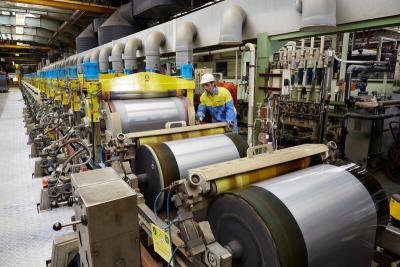
The TCCT line is a smart upgrade of our tinning line from the 1960s. It has been converted into a modern, sustainable installation. Mark Litz, Manager Process Technology, has been involved from day one. Five years ago, the idea existed only in his mind — now it’s reality.
Top quality
Our packaging steel was already top quality, of course, but we can now produce it in a smarter, safer and more sustainable way. The TCCT process uses chrome 3 instead of chrome 6, removes several steps from the original production process, and adds a protective layer that keeps canned food fresh for longer. That layer also makes it easier to apply a film that customers can then print with their own design.
How it works
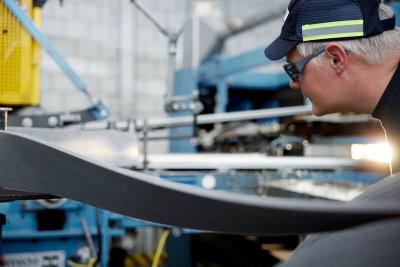
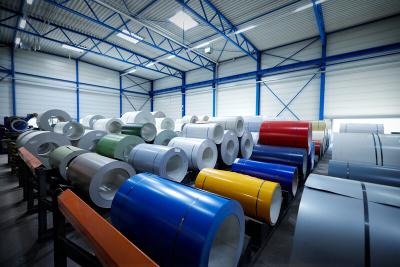
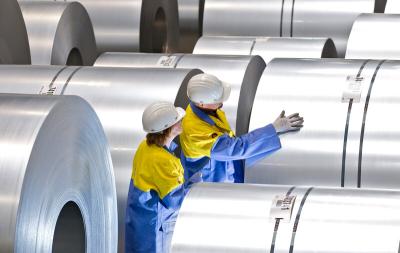
So how does it work? We asked Daniëlle Vrenegoor, process and product technologist for the tinning and chroming lines. “The steel arrives in a coil. That coil is unrolled and then moves up and down through different processes along the entire line. Step by step, the steel is treated: pre‑treatment, chroming, rinsing, drying… and finally inspected with cameras and smart software to ensure we deliver the highest quality. At the end, the steel is rolled up again. Once the protective chrome layer is applied, the coil can move on to the next installation or directly to the customer.”
Where to spot the product
You won’t yet find cans made from this steel in Dutch supermarkets - the line has only just started - but in Spain you can already buy a can of tuna from the Calvo brand using Protact. And for a trial order in the United States, we have already produced whipped‑cream canisters. “With this innovation, we are setting a new European standard,” says Mark. “Our packaging is better for people and for the planet.”