



































Why canned fish is making a comeback
Sardines, tuna, mackerel and salmon from a can. For years, they were mainly seen as practical pantry products. Now interest in canned fish is growing worldwide. What makes such a simple tin suddenly attractive again?
A can of fish as concert merchandise? That happened this summer in the United States, where a signed tin of smoked trout was sold during singer-songwriter Audrey Hobert’s tour.
It is a striking example of a broader development: canned fish is making an unexpected comeback. What was long known mainly as pantry food is gaining renewed attention worldwide from consumers, chefs and nutrition experts.
Supermarkets are also offering a growing range of canned fish products, from classic tuna to premium sardines and smoked trout. Producers are seeing demand increase, and restaurants are experimenting more often with canned fish as an ingredient or even as the main feature of a dish.
This renewed interest has not come out of nowhere. Consumers are increasingly looking for products that are healthy, easy to use and have a long shelf life. Canned fish scores well on all three.
Small tin, big nutritional value
Fish has long been known as a healthy food choice. The same is true of canned fish. Many fish species are rich in omega-3 fatty acids, vitamin D and other nutrients that are not always easy to get from other foods.
An extra benefit is convenience. While fresh fish often needs to be prepared straight away, canned fish is ready to use. That makes it easier for many people to eat fish more often.
The packaging makes the difference
The popularity of canned fish is not only about what is inside, but also about the packaging itself. A steel can protects its contents from light, air and moisture. As a result, food can often be kept for years without refrigeration. This can also help reduce food waste in the supply chain.
That combination of food safety, shelf life and protection is exactly what has made steel packaging a trusted solution for food products for decades.
There is a lot of innovation behind a can
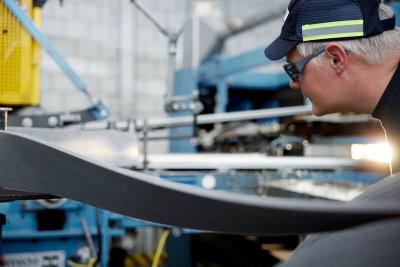
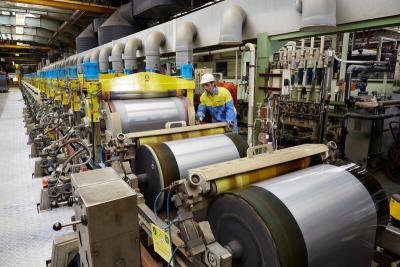
Although a food can may look simple, there is a great deal of technology behind it. Packaging producers are constantly working on improvements in food safety, product protection and efficient use of raw materials. The steel industry is part of that development too.
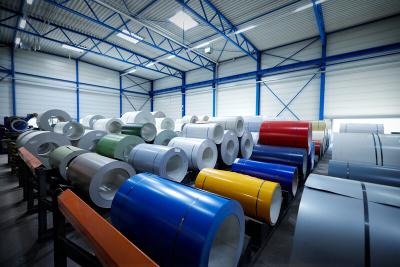
There is also innovation behind the can itself. For example, Tata Steel worked with Spanish fish producer Calvo to develop a fish can that is 24 percent lighter than traditional versions and has a 35 percent lower environmental impact. Thanks to its smart design, the fish also comes out of the can more easily, which means less food is wasted. The award-winning design is made from Tata Steel’s TCCT® and Protact® packaging steel.
Emile Jasperse from Packaging explains: "Calvo is positioning the distinctive tuna can as a premium product. They now have two production lines, and they have been approached by a premium supermarket in South Korea specifically to supply this can. It is also special for Packaging because the material is both extremely thin and very wide (0.16 mm x 1121 mm), something our competitors are unable to offer."
An everyday product with a surprising story
Anyone opening a tin of sardines or tuna probably does not immediately think of innovation. Yet behind that simple packaging lies an entire chain of development, from food production to packaging technology. And perhaps that helps explain why canned fish is back in the spotlight.