











High-tech laser and AI for increased steel recycling
Tata Steel Nederland, German and Austrian steel producers are co-innovating for more sustainable, energy-efficient steel production
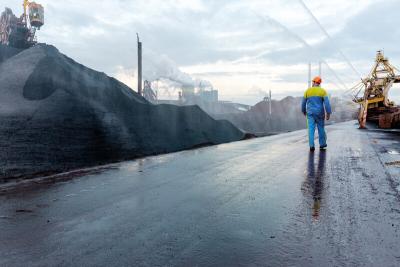
The circular economy offers many opportunities. The recycling of iron and steel plays a crucial role in this, and Tata Steel Nederland is working on this every day, aiming to increase the use of scrap from 17% in 2022 to 30% in 2030. This corresponds to 65 billion cans, each containing 13 grams of steel. Tata Steel Nederland aims to further optimize its recycling process. Together with the German steel company Saarstahl and the Austrian voestalpine Group, research has been initiated to explore how digital technology can be utilized to achieve this. Under the name 'Digital Twins for Green Steel' (DiGreeS), the three entities are investigating possibilities for introducing new steel production routes and reducing the ecological footprint.
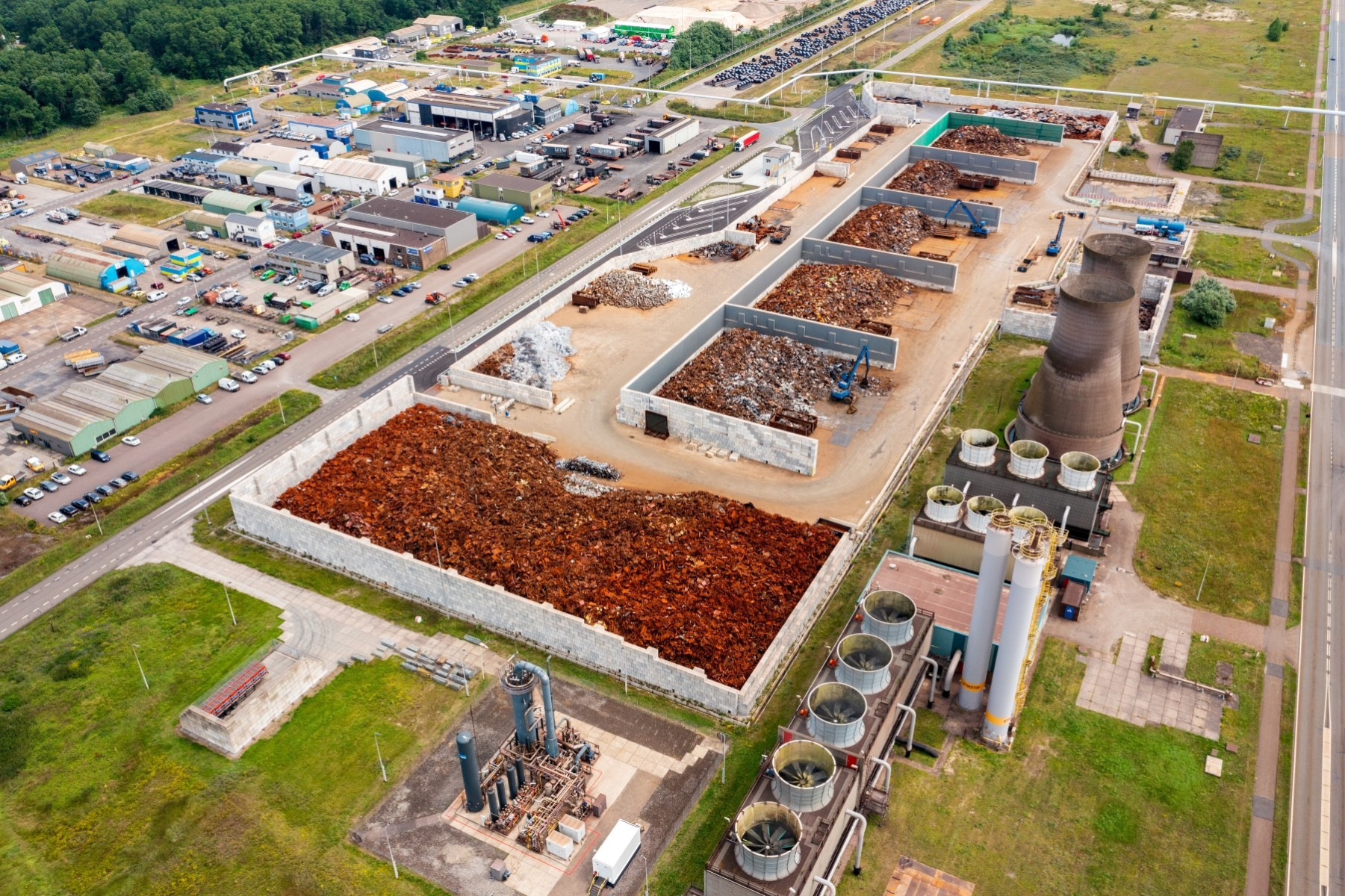
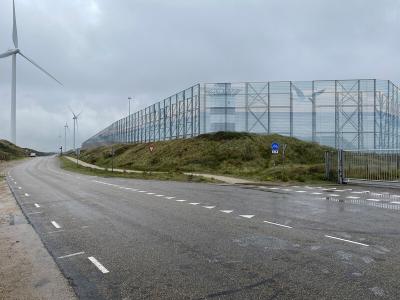
To be able to significantly increase the use of scrap in steel production in the near future, Tata Steel aims to further optimize the recycling process. A challenge in this regard is that much of the old steel, such as from old ships or railroad tracks, is too large for regular conveyors and difficult to analyze. Therefore, Tata Steel researches the use of digital laser techniques to analyze the composition of scrap directly from the truck. The process works as follows: the truck carrying scrap enters a specially constructed gate with industrial laser and analysis equipment. The laser vaporizes very small pieces of the steel locally, creating a 'plasma', a small local gas bubble containing all the components of the scrap. This can then be filmed and analyzed with special cameras. Subsequently, depending on the specific composition and criteria, the scrap can be optimally introduced into the recycling process.
AI and digital twins for reduced waste and more CO2 reduction
Tata Steel researcher Bernard Ennis states: "In this measurement and analysis process, AI is used to more quickly recognize and analyze specific types of steel based on visual characteristics, known as 'scrap image recognition'. The manufacturing process is digitally modeled, or simulated, and tested in a computational model using 'digital twins'. This innovative combination of laser, AI, and digital modeling allows for more efficient sampling, faster scrap deployment logistics, and improved product quality. Moreover, this leads to fewer process errors in scrap deployment and thus less waste and CO2 reduction." At present, the technique is being researched and developed under the 'DiGreeS program'. The first measurements with the ‘Laser- Induced Breakdown Spectroscopy’ are scheduled to take place in the first quarter of 2025, with the first results being announced. In 2026, the first prototype of the truck portal is expected to be ready for use, and the measurements and modeling will commence. Then, the implementation will follow, including the introduction of the digital twins modelled process.
'DiGreeS': Research with German and Austrian steel producers
'DiGreeS' is coordinated by the Fraunhofer Institute for Nondestructive Testing IZFP and aims to minimize the ecological footprint of the entire steel value chain through integrated digitalization. Within the 'DiGreeS' program, Tata Steel also collaborates with Saarstahl AG and the voestalpine Group. Saarstahl AG focuses on CO2 reduction of Electric Arc Furnace (EAF) techniques at Saarstahl-Ascoval through the use of artificial intelligence based digital models, while voestalpine Group researches energy efficiency and conservation in steel plate processing. Tata Steel will also utilize this new knowledge when replacing the blast furnaces and coke and gas plants with DRI and EAF in the near future, as the traditional steel production process undergoes transformation and coal is replaced by sustainable energy.