














Lighter and stronger tipper trailers thanks to our digital test track
How do you make a heavy tipper trailer lighter without compromising strength or durability? That was the challenge we received through our partner Steel Warehouse. Our R&D team took it on by combining advanced digital simulations with smart material choices - and the results exceeded expectations.
A smarter way to build tipper trailers
Tipper trailers may not be part of everyday street life, but they are essential to logistics. Transporting stones, sand, soil and scrap, they operate under extreme conditions and are subject to continuous impact and wear. That makes structural integrity and durability absolutely critical.
At the same time, the market increasingly demands lighter, frameless trailer designs. Less weight means lower fuel consumption, higher payloads and more efficient fleets — but never at the expense of safety. Steel Warehouse asked whether we could help rethink the design of one our end users with exactly that balance in mind.
Our digital test track
Instead of relying primarily on physical prototyping, our engineers turned to advanced structural simulations. These tools allowed us to analyse how the trailer behaves under all relevant operating conditions: driving, braking, loading, unloading and cornering.
Think of it as a digital test track - faster, more detailed and more cost‑effective than real‑world testing. The simulations revealed exactly where material could be reduced and where additional strength was essential. Fatigue‑based design played a key role here, assessing how steel performs under millions of load cycles using extensive material fatigue data, including insights from the Aurora fatigue test database.
The digital simulations delivered surprising insights. “We found that some components were originally designed more conservatively than necessary based on fatigue safety requirements,” explains R&D specialist Sunil Gowda. “This enabled targeted adjustments while maintaining performance.”
One of the most striking outcomes was that several components in the original design were over‑engineered relative to the required fatigue safety factors. This opened the door to targeted downgauging, allowing weight reduction while fully maintaining structural performance and durability. Thanks to the simulation‑driven approach, rapid design iterations were possible, leading to a validated design proposal in less than two months.
Why Valast® made the difference
Material selection proved crucial. Valast® steel emerged as a key enabler in the optimized design. Its excellent wear resistance, dent resistance and mechanical properties make it particularly suitable for heavy-duty tipper trailer bodies.
By applying Valast® strategically - using superior material only where it truly matters - the team achieved reliable downgauging without compromising performance. This approach reflects a broader shift in the market, where customers increasingly recognize the value of using advanced steel grades in critical areas rather than over‑engineering entire structures.
The end user his confidence is further strengthened by Steel Warehouse’s investment in a dedicated decoiling line for Valast®, reinforcing the U.S. value chain and supporting wider adoption.
Commercial impact and market position
The results were compelling. Beyond delivering a lighter and stronger trailer design, the project opened the door to an estimated 1,000 tones of annual steel volume in the U.S. market - a significant opportunity for this highly specialized and differentiated product.
More broadly, the methodology developed - combining FEA-driven safety factor assessment, optimized multigrade steel use and fatigue-based design - is directly transferable to other heavy-duty trailer and industrial equipment applications in both the U.S. and EU. Discussions with additional potential customers are already underway.
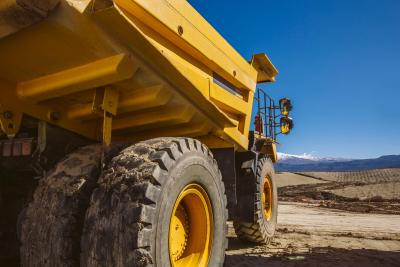
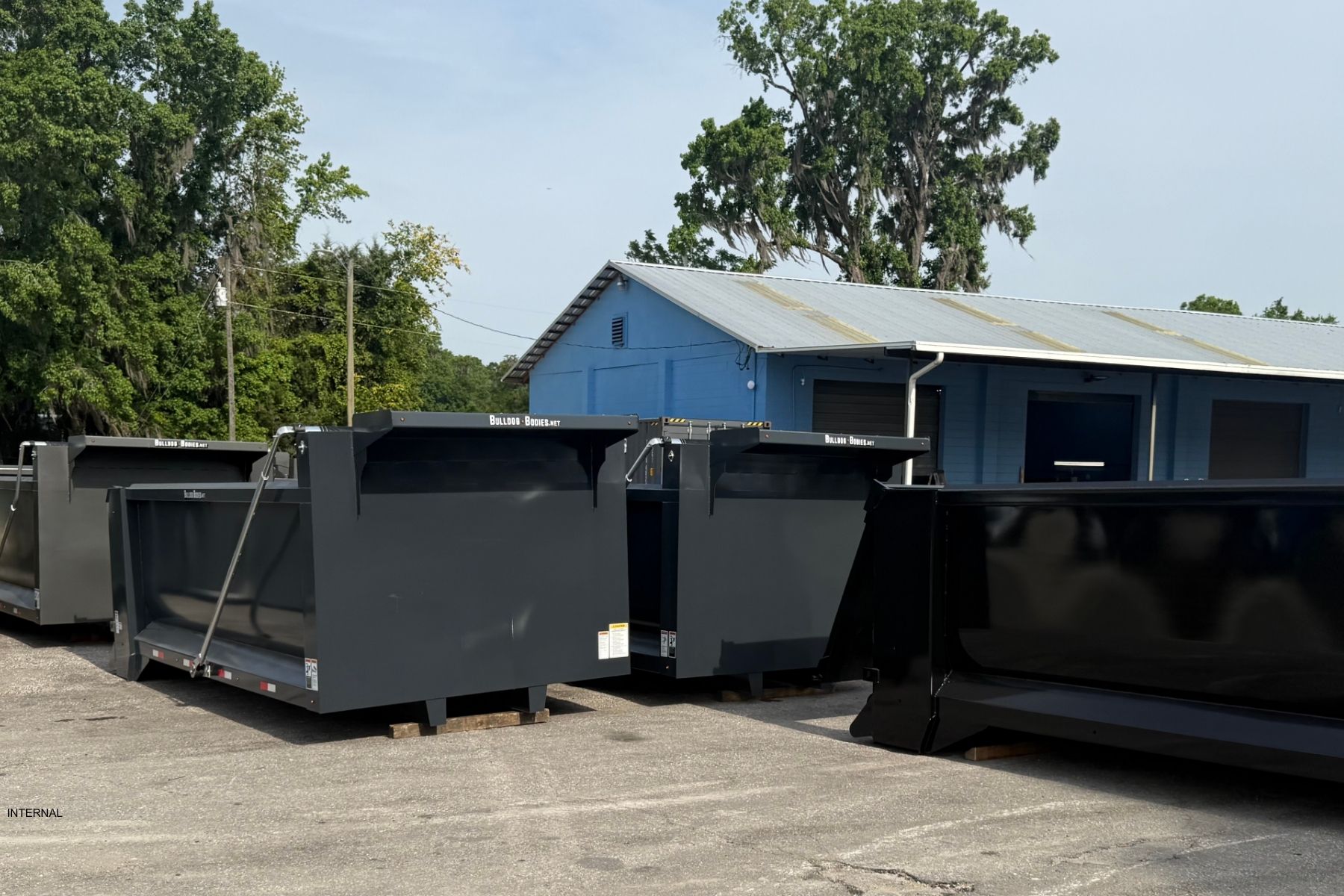
Example of a tipper truck end customer, made of Valast® 450, not the final design for the end user described in the article
You might also like:
- Transporting boulders, gravel or other heavy materials? This is what you need
- Developed to withstand the most demanding conditions: Valast 450