











Steel on track: how steel keeps trains – and railways – moving sustainably
Travelling by train is one of the most sustainable ways to get around. And steel is absolutely essential to making it work. Without steel, the thousands of trains criss-crossing our country every day wouldn’t be able to run safely or efficiently. From the tracks to the trains themselves, steel plays a crucial role in transporting people and goods in a safe and sustainable way.
Strong tracks for a safe journey
Every time you step onto a train, you’re relying on the strength of steel. Just think of the crowds during major events – when tens of thousands of people head to festivals, football matches or concerts by rail. The tracks have to cope with all that weight – an average intercity train weighs between 300 and 500 tonnes! It’s steel that gives the rails the strength to bear that load.
Even in extreme weather conditions, train travel remains possible. One reason is the use of heated switches – steel is an excellent conductor of heat and can withstand the tough conditions of the railway. If it gets really icy or snowy, some journeys may be postponed. This helps reduce pressure on the rail network and makes it easier to solve any issues without a complete system shutdown.
Steel in the train itself
Steel is also a key part of the train itself – from the chassis and the outer panels to the motor. Thanks to innovation, the steel used in modern trains is stronger and lighter than ever before, helping to reduce energy consumption. That not only makes rail travel more sustainable, but also safer and more comfortable. A stable ride, reduced noise, and pleasant temperatures inside the carriage – all made possible by smart steel technology.
Did you know?
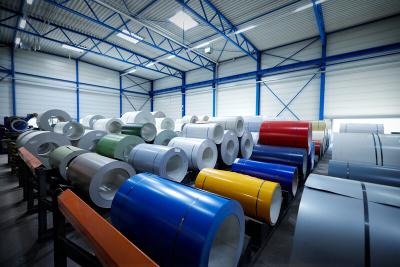
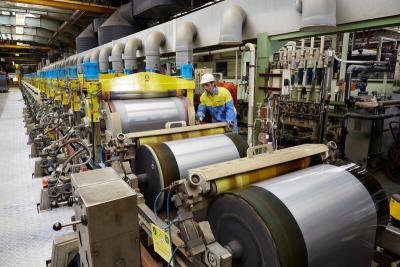
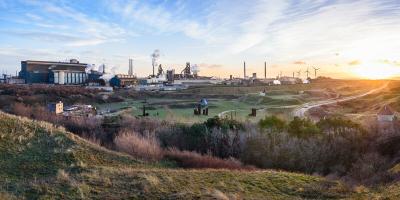
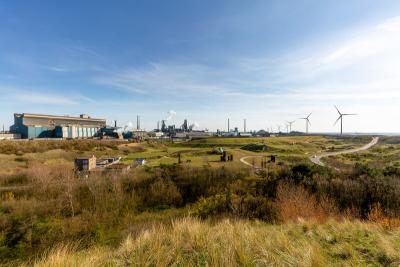
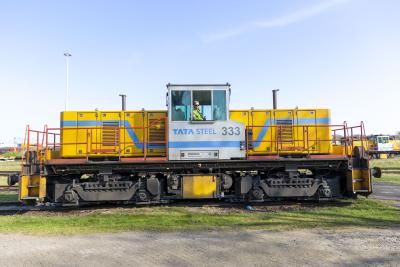
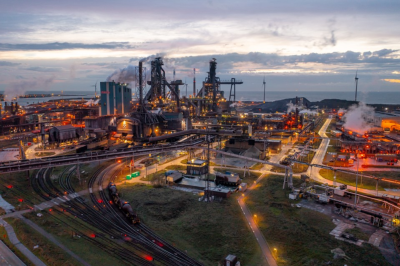
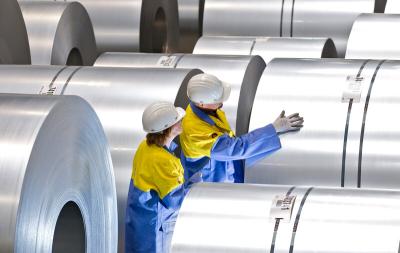
Much of the steel produced in IJmuiden is transported by train to production sites and customers in the Netherlands and across Europe – mostly using DB Cargo wagons. Tata Steel Nederland and DB Cargo have taken an important step towards greener logistics by signing a contract for the transport of steel coils using green electricity. Thanks to this partnership, over 80% of DB Cargo’s rail transport for Tata Steel Nederland is now CO₂-free.