










Innovating with scrap
On the road to circular, low carbon steel
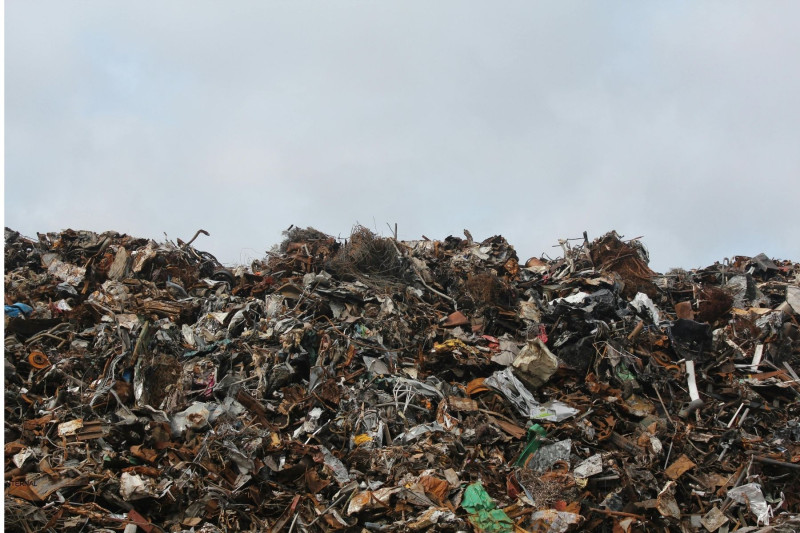
Steel made entirely from recycled scrap – can it really be used in cars, washing machines and other everyday products? That is the question Tata Steel Nederland is exploring within the European Commission sponsored CiSMA project.
Together with partners across the value chain, we are researching steel grades that are strong, formable, meet strict safety requirements and have a much lower carbon footprint. The goal is clear: to make circular steels ready for large-scale use, which reflects also in the full name of CiSMA (Circular Steel for Mass Market Applications).
From scrap to steel
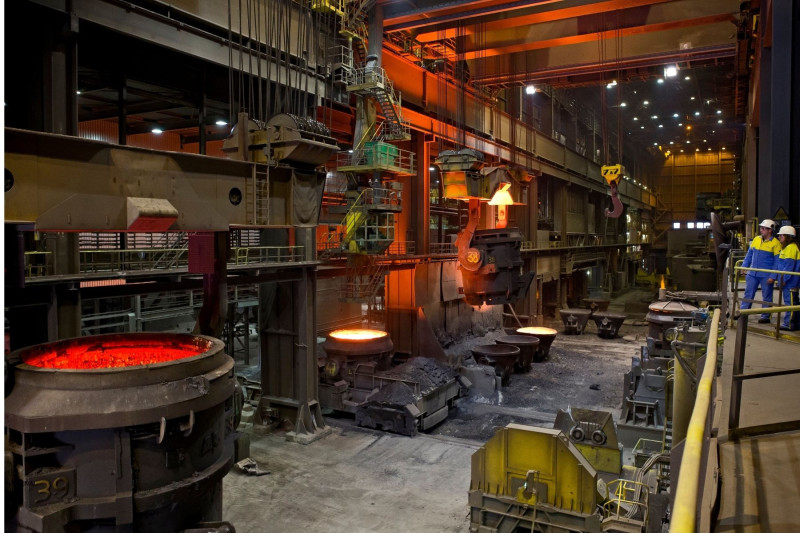
At the heart of the project is steel produced from 100% recycled scrap using Electric Arc Furnace (EAF) technology. This technology leads to far lower CO₂ emissions than traditional blast furnace processes and fits naturally with a circular economy.
For Tata Steel Nederland, the project aligns closely with the Green Steel Plan; our ambition to produce carbon neutral steel in the future, using modern technologies and new installations.
Researching, testing and learning
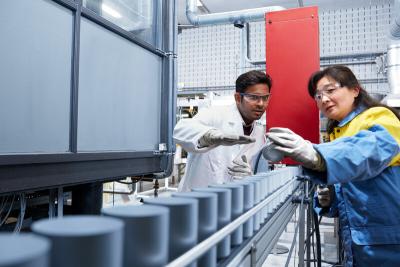
The work starts at laboratory scale. R&D department of Tata Steel Nederland develops and tests several steel grades, including DP800 steel for automotive applications and IF steel for white goods. Their adjusted chemical compositions reflect a future society in which scrap and circularity play a much larger role.
The steels are studied in detail. How strong are they? How well can they be formed? And what is the effect of residual elements coming from scrap? Tata Steel Nederland also supplies scrap samples to the consortium partners and contributes to scrap sorting and new testing & characterisation methods to help answer these questions.
From laboratory to industrial practice
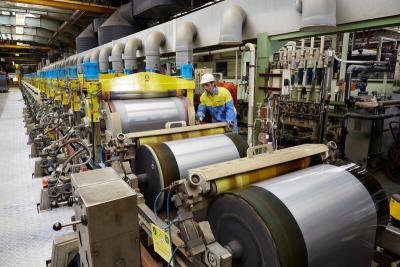
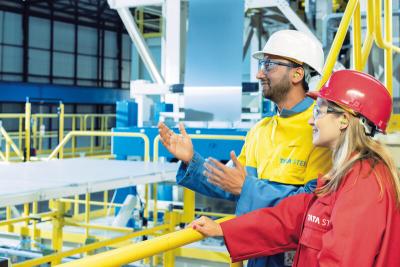
Research is essential, but real-world performance is what ultimately matters. That is why we also carry out industrial production trials. Selected steel grades are produced under conditions that closely resemble future EAF-based production processes, helping to move from experimentation towards scale-up.
Tested in real applications
The steel grades are then tested by partners such as Volvo Cars and Electrolux Professional. Tata Steel Nederland also provides key data on CO₂ emissions, enabling life cycle assessments (LCA) alongside prototype testing. An LCA is a scientific method used to calculate the total environmental impact of a product, service or process over its entire life cycle; from raw material extraction to end-of-life.
Towards green steel
The CiSMA project directly supports our ambition towards producing CO₂-neutral steel, as set out in the Green Steel Plan. Projects like this show how innovation and collaboration come together to shape the future of steelmaking.
About CiSMA The CiSMA has received funding from the Horizon Europe programme project num. 101177798. Funded by the European Union. Views and opinions expressed are however those of the author(s) only and do not necessarily reflect those of the European Union or HADEA. Neither the European Union nor the granting authority can be held responsible for them.
If you like this, you might also want to read